Highlights
- Recognize the Museum's external and internal architecture.
- Visit the different exhibition halls and iconic places.
- Appreciate the different types of national and international art.
- We'll play and interpret the different elements of the old Museum.
Description
Immerse yourself in a unique experience at the old Museum of Natural History of Colombia, the oldest in the country and one of the most important in Latin America. Right in the heart of Bogotá, this impressive building was originally a prison, known as the Panopticon. Its robust architecture and history as a former penitentiary give it an atmosphere full of memory, which today serves to safeguard more than 20,000 pieces that narrate the evolution of the Colombian people.
The tour kicks off in the archaeological rooms, where you can check out ancient objects from the pre-Columbian cultures that once lived in the country. Ceramics, tools, ritual figures, and goldsmithing pieces will help you understand the spiritual and symbolic relationship our ancestors had with nature. Here you'll discover the Muisca, Quimbaya, and Tairona cultures.
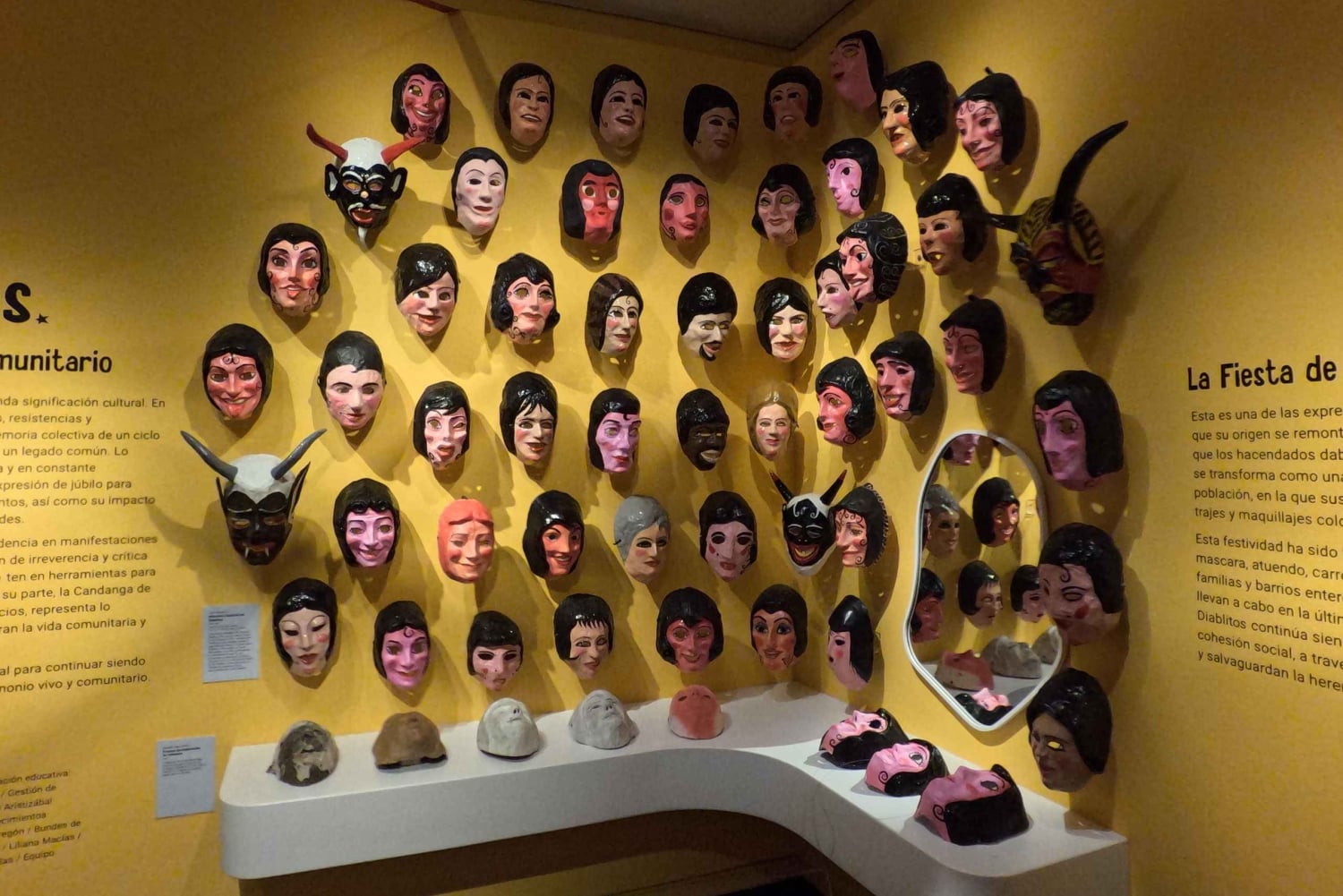
We'll continue to the ethnography and cultural diversity rooms, where you'll learn about the richness of the indigenous, Afro-descendant, and peasant communities that make up Colombia's identity. Through clothing, musical instruments, masks, and traditional utensils, you'll appreciate the many forms of cultural expression still preserved in different regions of the country. This section invites you to reflect on the importance of diversity and respect for living traditions.
The tour continues with the colonial and republican art rooms, where you can admire portraits, religious sculptures, and works that reflect the political and social changes after the Spaniards arrived. Here, the processes of miscegenation and the tensions between faith, power, and national identity are revealed. The museum guides will tell stories about how art became a means of resistance and a tool for symbolic construction during the periods of independence and the formation of the Republic.
Later, you'll reach the modern and contemporary art rooms, where works by renowned Colombian artists like Fernando Botero, Alejandro Obregón, Enrique Grau, Beatriz González, and Débora Arango are on display. Each of these pieces will let you explore the country's aesthetic and social evolution during the 20th century, addressing issues like violence, everyday life, and a sense of national identity.
Throughout the tour, you'll experience a mix of history, art, and living memory, accompanied by a narrative that connects past and present. Temporary exhibitions also enrich the experience, offering current perspectives on Colombia's cultural and social challenges. The tour ends in the museum's central courtyard, a quiet and bright space where you can enjoy a short break, chat with the guide, and reflect on what you've learned. Just a few steps away, you'll find the museum shop, with handmade products, books, and souvenirs, as well as a café where you can enjoy a delicious Colombian coffee.
Includes
1. Colombia has incredible fauna and flora that you need to know about to help preserve them. That's why the botanical expedition room is perfect for understanding the richness of the country.
2. The Santa Rosa de Viterbo Aerolite is the oldest piece in the entire Museum and the first to arrive when it was founded. However, the French scientists who found it couldn't bring it to Bogotá until years after its discovery. They say this aerolite fell to that municipality after a cosmic explosion over 200 years ago.
3. The oldest item in the entire museum is the Puerto Chacho Vessel, which is at least 12,000 years old. However, it's one of the most recent to arrive at the site compared to its age, as it did so in 1988, after a team of archaeologists found it near Cartagena.
4. One of the most valuable and least appreciated items in the Museum is the crown given to the liberator Simón Bolívar in Cusco.
Excludes
Food and drinks
Easy cancellation
Cancel up to 24 hours in advance for a full refund